Design Possibilities with Gypsum Ceiling Systems
Release time:2026-02-05 Click:8
Gypsum ceiling systems have become standard finishes in residential and commercial construction, providing smooth, durable surfaces that accept paint and other finishes while offering design flexibility for architectural spaces. The gypsum board panels that form the basis of these systems combine fire resistance, dimensional stability, and workability that make them suitable for a wide range of ceiling applications. From simple flat ceilings to complex multilevel designs, gypsum systems provide the canvas on which interior designers create the ceiling treatments that significantly impact room character and atmosphere. Understanding gypsum ceiling possibilities helps builders and designers achieve successful interior spaces.
The construction of gypsum ceiling systems involves techniques that create smooth, durable surfaces while accommodating building elements and design requirements. Standard gypsum board ceilings attach to framing members with screws, with joints taped and finished to create seamless surfaces. Suspended ceiling systems create plenum spaces for HVAC distribution while providing access to infrastructure above the ceiling plane. Acoustic ceiling treatments incorporate sound-absorbing materials that improve speech intelligibility and reduce noise levels in occupied spaces. These construction approaches address both aesthetic and functional requirements of different building types and occupancy categories.
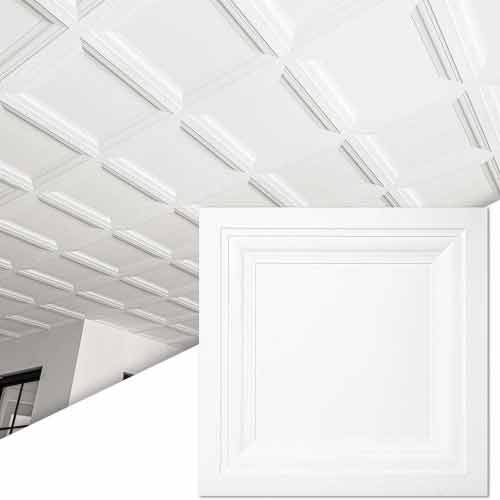
Design possibilities for gypsum ceilings extend beyond simple flat surfaces to include architectural features that define room character. Cove lighting integrates light sources within ceiling soffits, creating indirect illumination that enhances room ambiance while concealing fixtures. Tray ceilings with raised center sections add dimension and visual interest to formal spaces. Beamed ceilings with exposed beams on gypsum board surfaces create the appearance of structural beams without the cost and weight of actual timber. These design approaches transform gypsum ceilings from basic finishes into significant architectural elements that enhance interior spaces.
Maintenance and repair of gypsum ceilings ensures continued good appearance and performance throughout building service life. Regular inspection identifies cracks, water damage, or joint deterioration that may require repair. Prompt attention to water stains and moisture issues prevents damage that could require panel replacement. Professional repair of damaged areas restores surface integrity while matching surrounding finishes. Understanding proper maintenance practices helps preserve the appearance and performance of gypsum ceiling systems throughout building life.
Previous article:Office Space Ceiling Climate Control Technology
Next article:Architectural Elegance with Coffer Ceiling Installation
Hot products
Mobile: +86 13253222720
Email:metalproducts2026@163.com
Email:2671275026@qq.com