Durable Surfaces with Quality PVC Ceiling
Release time:2026-03-12 Click:1
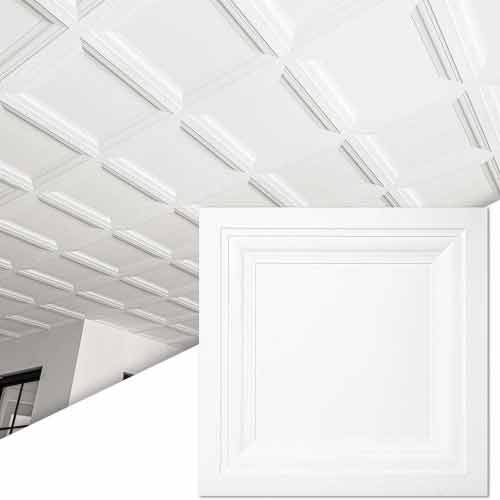
PVC ceiling systems have become popular choices for residential and commercial interiors, providing attractive, durable surfaces that withstand the humidity and temperature variations that challenge other finish materials. These thermoplastic panels and tiles offer practical solutions for spaces where traditional drywall or plaster ceilings might deteriorate due to moisture exposure or where ease of maintenance is a priority. The variety of PVC ceiling products reflects the diverse aesthetic and functional requirements of different applications, from simple utilitarian panels for utility spaces to decorative tiles that replicate the appearance of tin ceilings or carved wood. Without quality PVC ceiling systems, the wet environments of bathrooms, kitchens, and basements would require constant maintenance and frequent replacement of ceiling finishes that moisture inevitably damages. The evolution of PVC ceiling technology has kept pace with advances in extrusion techniques, surface printing, and installation systems, making modern products increasingly effective at combining durability with aesthetic appeal.
The construction of quality PVC ceiling products involves extrusion and finishing processes that create durable, dimensionally stable panels with attractive surface appearances. The primary material, polyvinyl chloride, is selected for its inherent resistance to moisture, chemicals, and biological growth that would affect organic ceiling materials in challenging environments. Extrusion processes create panels with consistent dimensions and surface qualities, with hollow-core designs reducing weight while maintaining structural rigidity sufficient for ceiling installation. Surface treatments include smooth glossy finishes, matte textures, and printed patterns that replicate the appearance of wood grain, stone, or decorative plaster. Tile products incorporate interlocking edge designs that simplify installation while creating seamless appearances when properly assembled. Quality PVC ceiling products meet fire resistance classifications appropriate for interior applications, with formulations designed to resist ignition and limit flame spread if exposed to fire.
The benefits of implementing PVC ceiling systems extend to moisture resistance, ease of maintenance, and installation efficiency that make them practical choices for problem-prone ceiling applications. Complete resistance to moisture damage eliminates the swelling, warping, staining, and mold growth that inevitably affect drywall and wood-based materials in humid environments. Cleanability allows removal of the dirt, grime, and cooking residue that accumulate on ceiling surfaces, with non-porous surfaces resisting staining that would permanently discolor more absorbent materials. Installation efficiency results from the lightweight panels that a single installer can handle, the interlocking designs that simplify alignment, and the minimal preparation required for ceilings that would need extensive repair before other finishes could be applied. Design versatility accommodates the aesthetic requirements of contemporary interiors while providing practical performance in bathrooms, kitchens, laundry rooms, and other moisture-prone spaces. Additionally, the cost-effectiveness of PVC ceiling systems provides attractive returns for both new construction and renovation projects where budget constraints limit finish options.
Installation of PVC ceiling systems requires proper planning, fastening techniques, and finishing details that ensure attractive, long-lasting results. Layout planning must account for panel or tile dimensions, fixture locations, and edge conditions at walls to achieve balanced appearance and minimize cutting requirements. Substrate preparation is minimal compared to traditional ceiling finishes, with existing surfaces requiring only cleaning and repair of major defects before PVC installation. Fastening methods include screws, staples, or adhesives depending on panel design and substrate conditions, with proper fastener spacing ensuring secure attachment without panel damage. Edge finishing at walls may utilize matching trim pieces, J-channels, or other edge treatments that create clean transitions while accommodating thermal movement. Proper installation technique ensures that PVC ceiling systems deliver the attractive, maintenance-free performance that these products are designed to provide.
Property owners and contractors should give PVC ceiling systems serious consideration for interior applications where moisture resistance, durability, and ease of maintenance are important requirements. The documented performance advantages in bathrooms, kitchens, and other humid spaces have made PVC ceilings practical solutions for both new construction and renovation projects. Working with ceiling product suppliers and experienced installers ensures appropriate product selection and proper installation techniques that maximize long-term performance. Investment in quality PVC ceiling products from reputable manufacturers provides returns through reduced maintenance, extended service life, and the attractive appearance that enhances interior spaces. As interior design continues emphasizing practical performance alongside aesthetic appeal, PVC ceiling systems offer proven solutions for challenging ceiling applications. Implementing quality PVC ceiling systems creates attractive, durable interior surfaces that perform reliably in the demanding environments where traditional ceiling materials inevitably fail.
Previous article:Adding Architectural Elegance with a Coffered Ceiling Dining Room
Next article:Adding Architectural Elegance with Coffered Ceiling Trim Details
Hot products
Mobile: +86 13253222720
Email:metalproducts2026@163.com
Email:2671275026@qq.com