Adding Architectural Elegance with Coffered Ceiling Trim Details
Release time:2026-03-13 Click:0
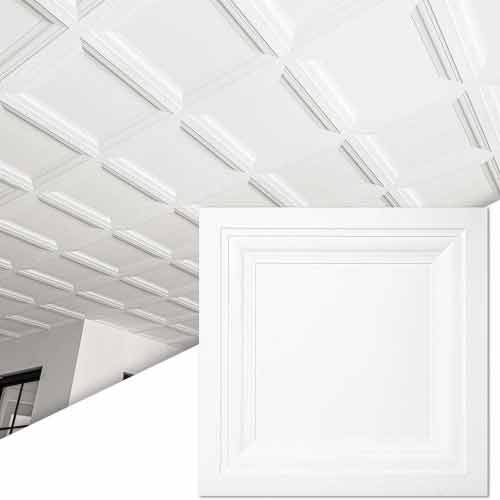
Few interior features convey luxury and craftsmanship like a coffered ceiling—and the secret lies in precisely milled coffered ceiling trim that transforms flat drywall into a three-dimensional tapestry of shadow and depth. These interlocking moldings, typically made from MDF, poplar, or PVC, create recessed grid patterns that visually lower high ceilings and add rhythm to formal living rooms, dining halls, or master suites.
The design process begins with layout planning. Standard coffer modules range from 2x2 to 4x4 feet, with beam widths of 4–8 inches. Crown molding caps the perimeter, while cross beams intersect at mitred or scarf joints. Advanced systems incorporate lighting coves, speakers, or even automated vents within the coffers—blending aesthetics with modern functionality.
Installation demands accuracy. Laser levels ensure perfect grid alignment; construction adhesive and finish nails secure trim to framing or furring strips. Seams are filled, sanded, and primed before painting—often in contrasting tones (e.g., white beams on charcoal ceiling) to heighten drama. PVC trim is preferred in humid areas like bathrooms for its moisture resistance.
Beyond beauty, coffered ceilings improve acoustics by diffusing sound waves and reducing echo—valuable in open-plan homes or home theaters. They also conceal structural irregularities or HVAC ducts, offering a clean architectural solution where dropped ceilings would feel institutional.
Cost varies widely: DIY kits start at 2/sq.ft., while custom millwork can exceed 20/sq.ft. Yet the ROI is tangible—homes with coffered ceilings often appraise 3–5% higher due to perceived quality and timeless appeal.
Coffered ceiling trim is more than decoration; it’s spatial poetry—where geometry, light, and proportion conspire to elevate everyday living into something extraordinary.
Previous article:Durable Surfaces with Quality PVC Ceiling
Next article:no more
Hot products
Mobile: +86 13253222720
Email:metalproducts2026@163.com
Email:2671275026@qq.com