Understanding Suspended Ceiling Systems for Modern Buildings
Release time:2026-03-08 Click:6
Suspended ceiling systems, also known as drop ceilings or false ceilings, have become integral components of modern building construction, providing versatile solutions for aesthetics, acoustics, thermal comfort, and access to building services above the ceiling plane. These ceiling constructions consist of exposed or concealed grid systems that support ceiling tiles or panels, creating a secondary ceiling surface below the structural ceiling that addresses numerous functional and aesthetic requirements. The adoption of suspended ceiling technology has transformed commercial, institutional, and residential building design, enabling flexible space planning, improved acoustics, and efficient service integration that would be impossible with traditional fixed ceilings. Architects, interior designers, and building operators recognize suspended ceilings as essential elements that enhance building functionality while contributing to aesthetic quality and occupant comfort.
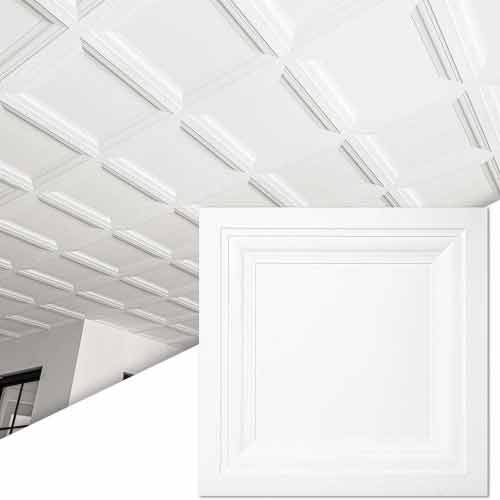
Types and components of suspended ceiling systems address diverse performance requirements, aesthetic preferences, and budget considerations that influence product selection for different applications. Exposed grid systems feature visible grid rails that create the distinctive modular appearance associated with commercial office buildings, with tile options ranging from basic mineral fiber to premium metal and wood-look panels. Concealed grid systems hide the support grid behind full-sized tiles, creating the appearance of a seamless ceiling surface that resembles traditional plaster or gypsum board ceilings. Acoustic ceiling tiles with noise reduction coefficients (NRC) ranging from 0.50 to 0.95 address different sound absorption requirements for open offices, conference rooms, healthcare spaces, and educational facilities. Fire-rated ceiling systems provide the fire resistance ratings required by building codes for plenum spaces and floor-ceiling assemblies in multi-story construction.
Design considerations for suspended ceiling installations must address acoustic performance, aesthetic integration, and building service requirements that ensure effective ceiling systems while enhancing interior environments. Acoustic design requires consideration of both sound absorption to reduce reverberation within spaces and sound blocking to prevent noise transmission between adjacent rooms or floors. Light reflectance values of ceiling tiles influence lighting system design and energy consumption, with high-reflectance surfaces reducing the artificial lighting required to achieve target illumination levels. Integration with HVAC systems requires appropriate access for supply and return air distribution while maintaining ceiling appearance and acoustic performance. Coordination with lighting fixtures, sprinklers, and other ceiling-mounted equipment ensures orderly layouts that enhance both functionality and aesthetic appearance.
Installation, maintenance, and performance considerations for suspended ceiling systems influence their effectiveness, durability, and lifecycle value in building applications. Proper grid installation with appropriate hangers, wires, and clips ensures adequate support for ceiling tiles while accommodating minor adjustments for levelness and alignment. Tile handling and installation must prevent damage that would compromise appearance or acoustic performance, with appropriate care during storage, transport, and installation. Access to the plenum space above ceilings for maintenance of HVAC, electrical, and data infrastructure represents one of the primary advantages of suspended ceiling systems, enabling modifications and repairs without disruption to occupied spaces below. Regular cleaning of ceiling tiles maintains appearance and prevents accumulation of dust and contaminants that might affect indoor air quality. When properly designed, installed, and maintained, suspended ceiling systems provide versatile, functional ceiling solutions that enhance acoustics, aesthetics, and building performance across diverse commercial, institutional, and residential applications.
Previous article:Adding Architectural Drama to Interiors: coffered ceiling drywall
Next article:Living Room Ceiling: Smooth Finish
Hot products
Mobile: +86 13253222720
Email:metalproducts2026@163.com
Email:2671275026@qq.com