Product details description
Ceiling lighting integration plays a pivotal role in defining the aesthetic
appeal, functionality, and ambiance of both residential and commercial spaces.
Among the most popular ceiling lighting options are recessed and surface-mounted
fixtures, each offering distinct advantages in terms of design versatility,
installation requirements, and light distribution. The choice between these two
options depends on a range of factors, including ceiling type, room size, design
preferences, and functional needs. Understanding the key characteristics of
recessed and surface-mounted lighting is essential for achieving seamless
integration that enhances the overall space while meeting practical lighting
demands.
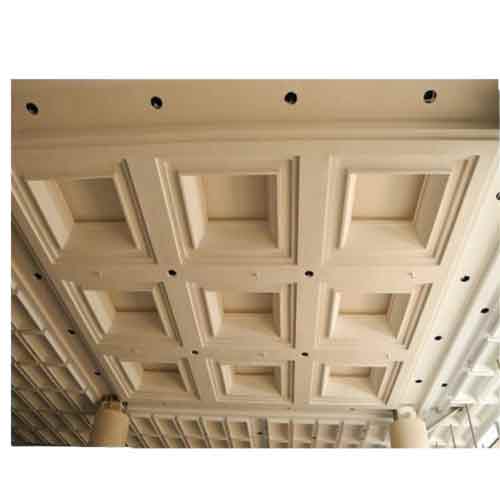
Recessed lighting, also known as can lights or downlights, is designed to
be installed flush with the ceiling, creating a sleek, minimalist appearance
that maximizes ceiling space and visual clarity. These fixtures are housed
within the ceiling cavity, with only the trim and light source visible, making
them ideal for spaces where a clean, uncluttered look is desired. Recessed
lighting offers focused, directional illumination, making it suitable for task
lighting (e.g., kitchen countertops, home offices) or accent lighting (e.g.,
highlighting artwork or architectural features). Installation of recessed
lighting requires a ceiling with sufficient cavity depth (typically 6-8 inches)
to accommodate the fixture housing, and may involve cutting into ceiling drywall
or plaster, which adds complexity and installation time.
Surface-mounted lighting, by contrast, is installed directly on the surface
of the ceiling, with the entire fixture visible. This category includes a wide
range of styles, from traditional ceiling fans with lights and chandeliers to
modern panel lights and track lighting systems. Surface-mounted fixtures are
highly versatile, available in various sizes, shapes, and designs to complement
any interior style—from classic to contemporary. They are particularly
well-suited for ceilings with limited cavity depth (e.g., concrete ceilings,
dropped ceilings with shallow voids) or for retrofitting existing spaces where
recessed installation is not feasible. Surface-mounted lighting often provides
broader, diffused illumination, making it ideal for general lighting in large
rooms such as living rooms, bedrooms, and commercial lobbies.
When integrating ceiling lighting, several practical considerations must be
addressed to ensure optimal performance and safety. For recessed lighting, it is
critical to select fixtures rated for the ceiling type (e.g., IC-rated for
insulated ceilings to prevent fire hazards) and to ensure proper spacing
(typically 4-6 feet apart) to avoid uneven lighting. For surface-mounted
lighting, fixture weight is a key consideration—heavier fixtures such as
chandeliers may require additional support brackets or reinforcement of the
ceiling structure. Both options benefit from the use of LED bulbs, which offer
energy efficiency, long lifespan, and dimmable capabilities, enhancing the
functionality and sustainability of the lighting system.
The decision between recessed and surface-mounted lighting ultimately
hinges on design goals and practical constraints. Recessed lighting is the
preferred choice for modern, minimalist spaces where a streamlined look and
targeted illumination are priorities. Surface-mounted lighting excels in spaces
where design versatility, easy installation, and broad illumination are more
important. In many cases, a combination of both options can be used to achieve a
balanced lighting scheme—for example, recessed lights for task lighting in a
kitchen paired with a surface-mounted pendant light for ambient illumination. By
carefully evaluating the space, ceiling type, and lighting needs, homeowners and
designers can select the optimal ceiling lighting integration option to create a
functional, aesthetically pleasing environment.
Previous article:
Ceiling Ventilation Systems: Air Quality and HVAC Integration
Next article:no more