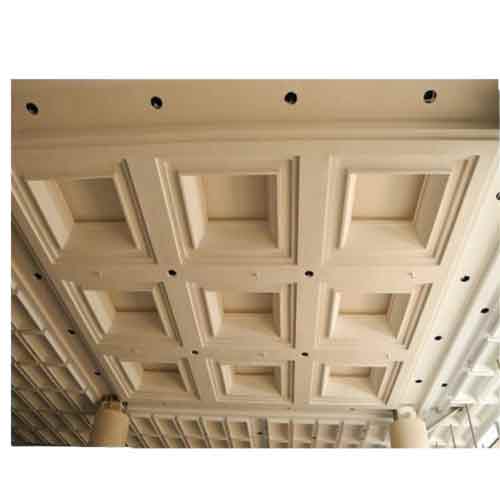
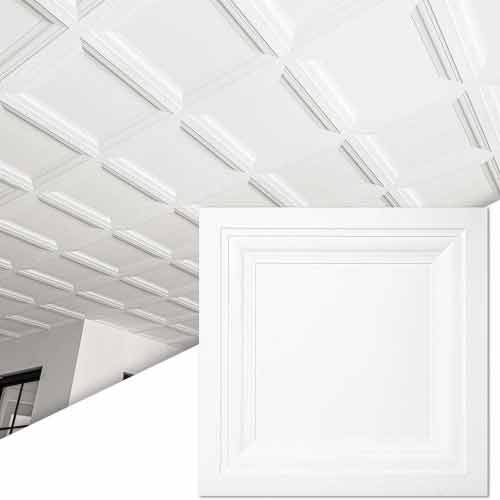
Product details description
Ceiling ventilation systems play a pivotal role in maintaining indoor air
quality (IAQ), thermal comfort, and energy efficiency across commercial,
institutional, and residential buildings. These systems integrate with central
HVAC (Heating, Ventilation, and Air Conditioning) units to deliver conditioned
air uniformly while extracting stale, humid, or contaminated air through
strategically placed exhaust grilles or diffusers. Modern ceiling-mounted
solutions include linear slot diffusers, round swirl diffusers, displacement
ventilation terminals, and chilled beam systems—all engineered to optimize
airflow patterns, minimize drafts, and reduce noise levels for occupant
well-being.
Air quality enhancement is achieved through filtration, humidity control,
and CO? monitoring. High-efficiency particulate air (HEPA) or MERV-rated filters
capture airborne pollutants such as dust, pollen, mold spores, and pathogens,
while dedicated dehumidifiers or humidifiers maintain optimal relative humidity
(40–60%) to inhibit microbial growth and improve respiratory comfort. Integrated
CO? sensors trigger demand-controlled ventilation (DCV), adjusting airflow rates
based on occupancy levels to conserve energy without compromising IAQ. In
healthcare or laboratory settings, negative pressure zones created by ceiling
exhaust systems prevent cross-contamination between rooms.
HVAC integration requires careful coordination between architects, MEP
engineers, and commissioning agents to ensure seamless operation. Ceiling
ventilation components must align with ductwork layout, fan coil unit placement,
and building automation systems (BAS) for synchronized temperature, humidity,
and air exchange control. Computational fluid dynamics (CFD) simulations help
visualize airflow distribution, identify dead zones or short-circuiting, and
optimize diffuser location and orientation. Acoustic attenuation devices and
vibration isolators are often incorporated to meet strict noise criteria in
classrooms, hospitals, or offices.
Future advancements are driving smarter, more adaptive ceiling ventilation
systems. Internet of Things (IoT)-enabled sensors monitor real-time IAQ
parameters and automatically adjust fan speeds or damper positions for optimal
performance. Self-cleaning filters, UV-C disinfection modules, and phase-change
materials (PCMs) for thermal buffering are emerging innovations that enhance
hygiene and reduce operational costs. As net-zero energy buildings become the
norm, ceiling ventilation will increasingly rely on passive design
strategies—such as thermal chimneys or stack effect ventilation—combined with
active systems to achieve maximum efficiency. Ultimately, well-designed ceiling
ventilation is not just about moving air—it’s about creating healthy,
productive, and sustainable indoor environments.
Previous article:
Ceiling Technology Integration
Next article:
Ceiling Lighting Integration: Recessed and Surface Mounted Options