Optimizing Interiors with a Functional Suspended Ceiling
Release time:2026-02-09 Click:4
The suspended ceiling, also known as a drop ceiling, is a staple in modern office buildings, schools, and commercial spaces. It creates a secondary ceiling below the main structural ceiling, concealing unsightly pipes, ductwork, and wiring. By hiding these mechanical systems, the suspended ceiling provides a clean and professional look that is essential for interior design. This false ceiling system allows for easy access to the overhead infrastructure for maintenance, making it a highly practical choice for complex buildings.
One of the primary functions of a suspended ceiling is to improve acoustics within a room. The tiles used in these ceilings often have sound-absorbing properties that reduce noise reverberation. This is particularly important in open-plan offices and classrooms where controlling noise levels is critical for concentration and communication. Additionally, these tiles are often fire-resistant, providing an extra layer of safety by inhibiting the spread of flames between floors. This combination of fire safety and noise control makes them indispensable in commercial architecture.
Energy efficiency is another significant benefit offered by suspended ceilings. The space between the original ceiling and the drop ceiling acts as a plenum for air circulation. This plenum can be used for heating, ventilation, and air conditioning (HVAC) systems, allowing for efficient climate control. Furthermore, installing reflective tiles can enhance the efficiency of lighting systems by bouncing light back into the workspace, reducing the need for excessive artificial lighting. This can lead to substantial energy savings over time.
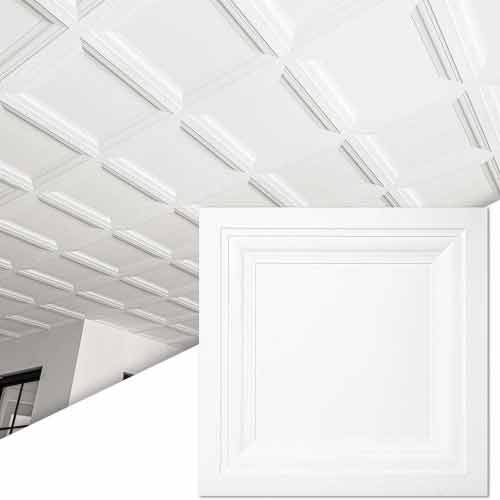
The versatility of a suspended ceiling allows for great flexibility in design and layout. Ceiling tiles come in various textures, colors, and materials, including mineral fiber, metal, and PVC. They can be removed and replaced easily, allowing for the integration of lighting fixtures, sprinklers, and smoke detectors without major construction. If the layout of the office changes, the tiles can be rearranged to accommodate new partitions or fixtures. This adaptability ensures that the ceiling remains a functional and integral part of the building's infrastructure.
Previous article:The Appeal of Coffered Ceiling Drop Ceiling Designs
Next article:Maintenance Challenges of Large-Scale Shopping Mall Ceilings
Hot products
Mobile: +86 13253222720
Email:metalproducts2026@163.com
Email:2671275026@qq.com