The Advantages of PVC Ceiling Panels
Release time:2026-02-11 Click:6
In the realm of interior finishing, the pvc ceiling has gained immense popularity as a cost-effective and versatile alternative to traditional plaster and gypsum. Made from polyvinyl chloride, these panels are lightweight, waterproof, and incredibly easy to install. They are widely used in bathrooms, kitchens, basements, and commercial spaces where moisture resistance is crucial. The pvc ceiling offers a clean, finished look that can conceal unsightly wiring, pipes, and uneven surfaces, transforming a raw room into a polished space without the mess of wet construction.
The functional benefits of a pvc ceiling are numerous. Unlike gypsum boards, which can deteriorate when exposed to humidity, PVC panels are impervious to water, making them ideal for wet areas. They are also resistant to mold and mildew, contributing to better indoor air quality. In terms of maintenance, a pvc ceiling can be simply wiped down with a damp cloth to remove dust or grease, a significant advantage over painted ceilings that may require repainting. Furthermore, the interlocking design of many panels allows for quick disassembly, providing easy access to the plenum space above for repairs or upgrades.
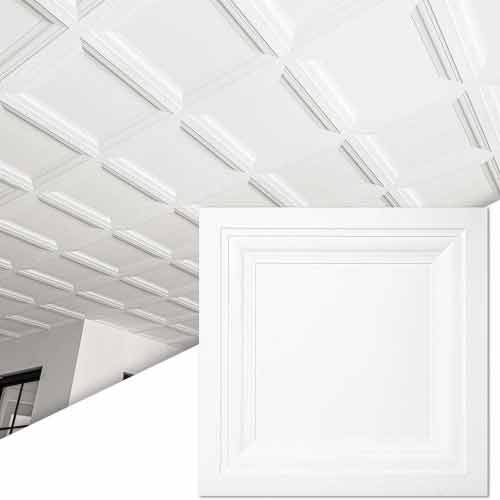
Aesthetic versatility is another strong point of the pvc ceiling. Manufacturers produce panels in a wide array of colors and finishes, including wood grain, marble, and metallic textures. High-gloss white panels are particularly popular in small rooms as they reflect light, creating an illusion of greater height and space. Matte finishes offer a more sophisticated, modern look. The ability to create coffered or tray ceilings using PVC adds architectural interest without the weight and expense of traditional wood molding. A well-chosen pvc ceiling can mimic the look of expensive tin ceilings or natural wood at a fraction of the cost.
Installation of a pvc ceiling is a DIY-friendly process that saves on labor costs. Panels can be cut with a utility knife or saw and fastened to a wooden or metal grid using screws or clips. Because they are lightweight, they do not require heavy-duty support structures. However, proper expansion gaps must be left around the perimeter to account for thermal expansion and contraction. In cold weather, PVC can become brittle, so care must be taken during handling. The pvc ceiling is also an excellent insulator, helping to retain heat in a room, which can contribute to minor energy savings.
From an environmental perspective, the pvc ceiling industry is moving towards greener solutions. While PVC is a plastic, many modern panels are recyclable, and some manufacturers incorporate recycled content into their products. The long lifespan of a pvc ceiling means it does not need to be replaced as often as other materials, reducing waste. Additionally, the lack of need for paints, solvents, or adhesives during installation reduces the emission of volatile organic compounds (VOCs). As a durable, low-maintenance, and design-flexible material, the pvc ceiling remains a staple in both residential renovation and commercial construction.
Previous article:Design Versatility: Exploring the Exposed Grid Ceiling.
Next article:Discover the Impact of Lighting on Your Kitchen Ceiling
Hot products
Mobile: +86 13253222720
Email:metalproducts2026@163.com
Email:2671275026@qq.com