Hiding Wires and Pipes in a Flat Ceiling
Release time:2026-02-21 Click:16
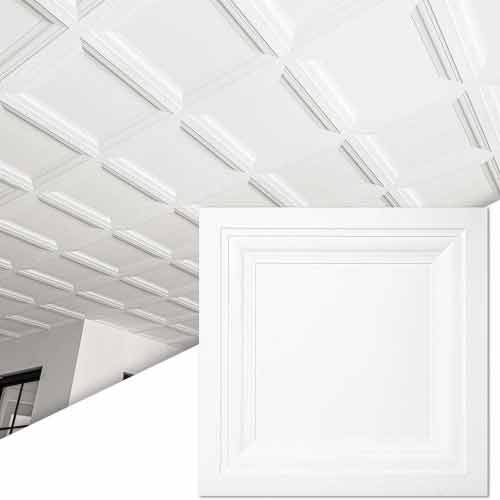
Hiding wires and pipes in a flat ceiling is a common interior design goal, as it creates a clean, uncluttered look while protecting utilities from damage. One effective method is to use a suspended ceiling (drop ceiling), which consists of a grid system and ceiling tiles. This allows easy access to wires and pipes above the tiles for maintenance, making it ideal for commercial spaces or homes with frequent utility adjustments. For residential settings, recessed channels or raceways installed within the ceiling drywall can conceal wires—these channels are painted to match the ceiling, blending seamlessly into the design. Pipes, especially larger ones, may require building a bulkhead (a boxed-in section) around them, which can be finished with drywall and painted to match the ceiling.
When hiding wires and pipes in a flat ceiling, it’s important to comply with building codes and safety standards. Electrical wires must be placed in fire-rated raceways or conduit to prevent fire hazards, and plumbing pipes should be properly insulated to avoid condensation and noise. For existing ceilings where major renovations are not feasible, surface-mounted trunking can be used—these sleek, low-profile channels are attached to the ceiling surface and painted to minimize visibility. Another option for wires is to run them through ceiling joists, if space allows, using drill holes that are properly spaced and notched to avoid weakening the joists. Consulting a professional electrician or plumber is recommended to ensure proper installation, especially when dealing with electrical wiring or plumbing pipes, to avoid safety risks and ensure compliance with local regulations.
Previous article:Industrial Style Restaurant Ceiling Adding Urban Character
Next article:Sound-Absorbing Integrated Ceiling for Office and Conference Room Design
Hot products
Mobile: +86 13253222720
Email:metalproducts2026@163.com
Email:2671275026@qq.com