The Elegance of Coffered Ceiling Dining Room
Release time:2026-02-28 Click:11
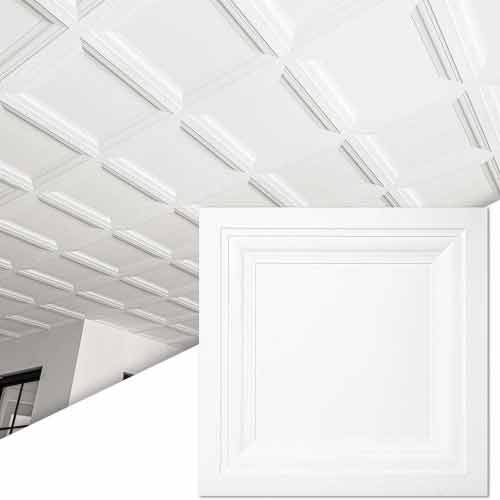
Coffered ceiling dining room designs transform ordinary spaces into sophisticated gathering spots, using a grid of recessed panels to add depth, character, and architectural interest. Originating in ancient Roman and Renaissance architecture, coffered ceilings feature intersecting beams that form squares, rectangles, or octagons, often adorned with molding, paint, or lighting. In dining rooms, this design elevates the ambiance, making meals feel more special while hiding unsightly ductwork or wiring.
The structural design of coffered ceiling dining room balances aesthetics and engineering. The grid is supported by ceiling joists or suspended from the attic, with beam depths of 15–30 cm (6–12 inches) to create noticeable recesses. Panels are typically made from plasterboard, wood (oak, maple), or MDF, with molding (crown, base) adding definition. For modern dining rooms, LED strip lighting is embedded in the beams, casting soft shadows that enhance the grid’s geometry.
Materials for coffered ceiling dining room cater to diverse styles. Wooden coffers offer warmth and richness, with options for staining or painting. Plaster coffers provide a classic, seamless look, ideal for formal dining rooms. MDF is a budget-friendly alternative, easily molded into intricate designs. Metal beams (aluminum, steel) add an industrial vibe, often paired with glass panels for a contemporary twist. Acoustic tiles can be integrated into panels to reduce echo in large rooms.
Advantages of coffered ceiling dining room over flat ceilings are multifaceted. The grid creates visual hierarchy, making the room feel taller and more spacious. Recessed panels hide HVAC vents, sprinklers, or wiring, maintaining a clean look. Lighting integrated into beams eliminates the need for pendant lights, reducing clutter. The design adapts to styles—classical (ornate molding), modern (minimalist beams), or transitional (mixed materials).
Installation of coffered ceiling dining room requires carpentry expertise. First, the ceiling height is assessed (ideal: 2.7–3 meters). Joists are marked, and beams are cut to size. Panels are fitted into the grid, with shims used for leveling. Electrical wiring for lights is routed through beams before closing panels. Drywall anchors secure beams to the ceiling, with glue adding stability. DIY installation is possible for simple designs, but complex layouts require professionals.
Maintenance of coffered ceiling dining room ensures lasting elegance. Dust panels monthly with a soft brush or vacuum attachment. Clean wood beams with wood polish; plaster with mild detergent. Check for loose molding annually, reattaching with adhesive. Repaint panels every 5–7 years to refresh the look. With care, a coffered ceiling dining room becomes a timeless centerpiece, enriching family gatherings and dinner parties for decades.
Previous article:Modern Design Ideas for a Sleek Flat Ceiling
Next article:LED-Compatible Integrated Ceiling for Energy-Saving Indoor Lighting Systems
Hot products
Mobile: +86 13253222720
Email:metalproducts2026@163.com
Email:2671275026@qq.com